Most growing businesses in Abu Dhabi do not choose to run on disconnected systems. It happens gradually. Sales starts with a simple CRM. Finance keeps its accounting tool. Operations builds a spreadsheet that becomes essential. A new branch adds its own process. Before anyone plans it, you have six tools, none of which knows what the others contain.
On the surface everything still works. Underneath, the gaps between systems drain time, create errors and slow decisions. This article explains how to recognise the cost and what an integrated approach looks like.
What disconnected systems really cost
The cost rarely appears as a single line in your accounts. It spreads across the week in small, repeated losses:
- Duplicate entry. Staff type the same customer details into the CRM, the accounting system and a delivery sheet. Every copy is paid time and a new chance for a mistake.
- Reconciliation. Finance spends days each month matching numbers that should already match. Reports are assembled by hand from different sources.
- Delayed decisions. Leaders wait for someone to compile numbers before they can decide. By the time the report arrives, the picture is already old.
- Errors that surface late. A price entered once correctly but copied once incorrectly becomes a wrong invoice, a delivery mistake or a stock count that no longer matches reality.
- Customer experience gaps. Sales promises a delivery date that operations cannot see. Support cannot see the full customer history. The customer experiences one company, but your systems experience several.
Each item looks minor. Together they explain why adding more people does not make the business feel less stretched.
Warning signs you will recognise
- Reports take days to prepare and two managers present different numbers for the same metric.
- Staff keep private spreadsheets because the official system cannot hold what they need.
- Customer information lives in email threads rather than in a shared record.
- New hires take weeks to understand which tool to use for which job.
- You pay for overlapping subscriptions that do similar things in different departments.
- A simple question such as how much a customer has spent this year requires three people to answer.
If several of these feel familiar, your systems are already fragmented. The question is not whether to address it but how.
Why adding another tool rarely helps
The natural response to a gap is to buy another tool that fills it. On its own that tool works well. Inside a fragmented landscape it adds one more place where data lives and one more integration that does not exist. Without a plan for how systems fit together, each new subscription deepens the fragmentation it was meant to solve.
Many businesses in Abu Dhabi add tools for specific teams without considering how information should flow between them. Sales chooses a CRM that marketing cannot access easily. Finance keeps an accounting platform that operations cannot update directly. Each decision makes sense in isolation. Together they create a maze where the same customer appears under different names in different systems, and where getting a simple answer requires asking three people to check three places.
This fragmentation also affects how quickly new ideas can be tested. A marketing campaign needs data from sales. A new pricing model needs cost data from operations. When those numbers live in separate places that do not connect, every new initiative starts with a data gathering exercise that takes days. The business moves slowly not because people are slow, but because the structure forces them to be.
What good looks like
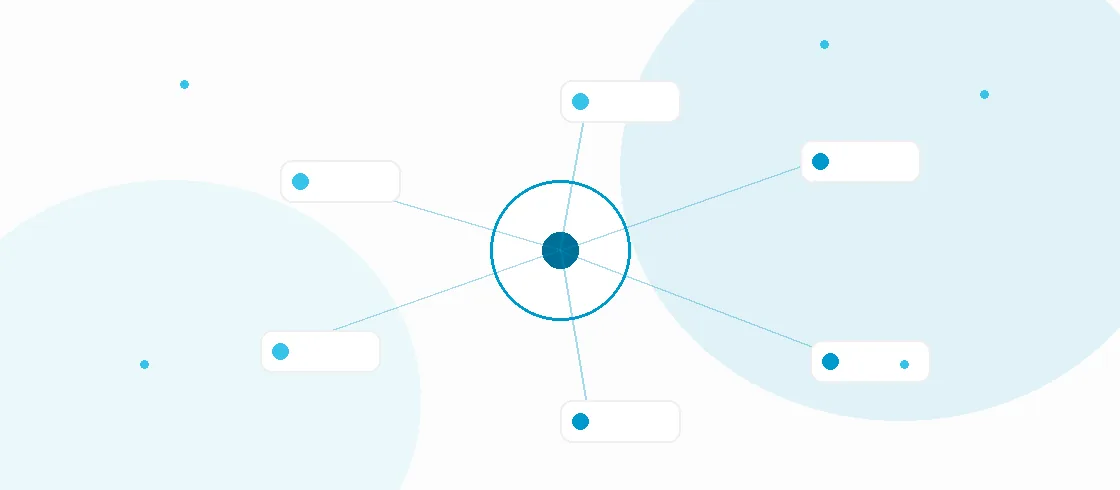
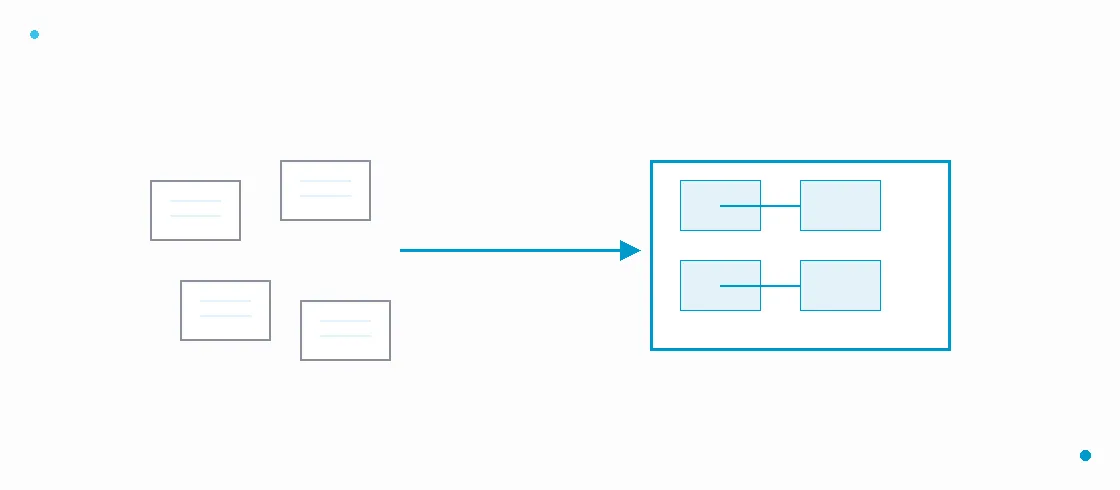
Integrated systems share a simple property: information entered once is visible everywhere it is needed, with access controlled by role. That single principle removes duplication, shortens reporting cycles and makes the customer experience feel coherent.
- One customer record. Sales, finance and support see the same history, status and value, without retyping.
- One source of numbers. Dashboards and reports draw from the same data, so everyone looks at the same picture.
- Workflows that run themselves. An approved quote creates the job. A completed job triggers the invoice. No one has to remember to create the next step.
- Access that matches reality. Each person sees what their role needs and nothing more, whether in branch A or branch B.
- Local requirements handled properly. For UAE businesses this often includes bilingual interfaces and compliance needs such as VAT handling.
This does not require replacing everything at once. The most successful projects we see for Abu Dhabi businesses keep what works and connect the rest.
Three paths, depending on where you are
1. Connect what you already own
Often the fastest return comes from integrating existing tools. A lightweight integration layer can move customer data between your CRM and accounting system, trigger notifications and keep records aligned without changing how teams work. Our automation services often start here, because removing manual copying between tools is quick to deliver and visible to the team.
2. Build a focused operational core
When off the shelf tools force too many workarounds, a custom operational platform that mirrors your actual process earns its cost quickly. It becomes the core that holds customer, job and financial data, while standard tools remain around it for solved problems such as email and accounting. Learn how we approach this on our software development page.
3. Give data one home
Where reporting is the pain, the right first step may be a data layer rather than a new operational tool. A governed data platform that pulls from your existing systems into one trusted place lets dashboards and reports build themselves. That foundation also prepares you for more advanced use of data later. Read more on our data and analytics service.
How to choose the right path
The answer depends on where the pain is most acute. If reporting is slow and inconsistent, start with data. If manual copying between tools consumes hours every week, start with integration. If workarounds and private spreadsheets have become the process itself, a focused custom build is usually right. In many cases a short assessment makes the answer clear. We often map a single customer journey end to end and the right first step becomes obvious to everyone in the room.
Frequently asked questions
Do we need to replace all our software at once?
No. The most reliable projects keep working tools and replace or connect the painful parts in stages. Each phase proves its value before the next begins, which limits risk and avoids disrupting the business.
How long does integration take to show value?
Connecting two core systems and automating the manual work between them often shows value within weeks. A broader platform that consolidates several processes typically takes longer but delivers a larger and more durable saving.
We have branches in different emirates. Can systems stay aligned?
Yes. A central record with branch aware access and reporting keeps every location working from the same data while respecting local operational differences. This is a standard part of how we design systems for UAE businesses with more than one site.
Disconnected systems feel normal until you see how much better the alternative feels. When information flows without retyping and reports appear without assembly, teams spend their time on customers and growth rather than on reconciliation. If your business is feeling stretched despite good people and good tools, the structure between the tools is likely the place to look. Talk to us and we will map one of your core workflows to show you where the gaps are and what to fix first.